
Pile Reversal, Shading and Tracking on New Carpets
An explanation of pile reversal, shading and tracking on new carpets. Understanding if it is a fault or a natural characteristic, and how an inspection helps.
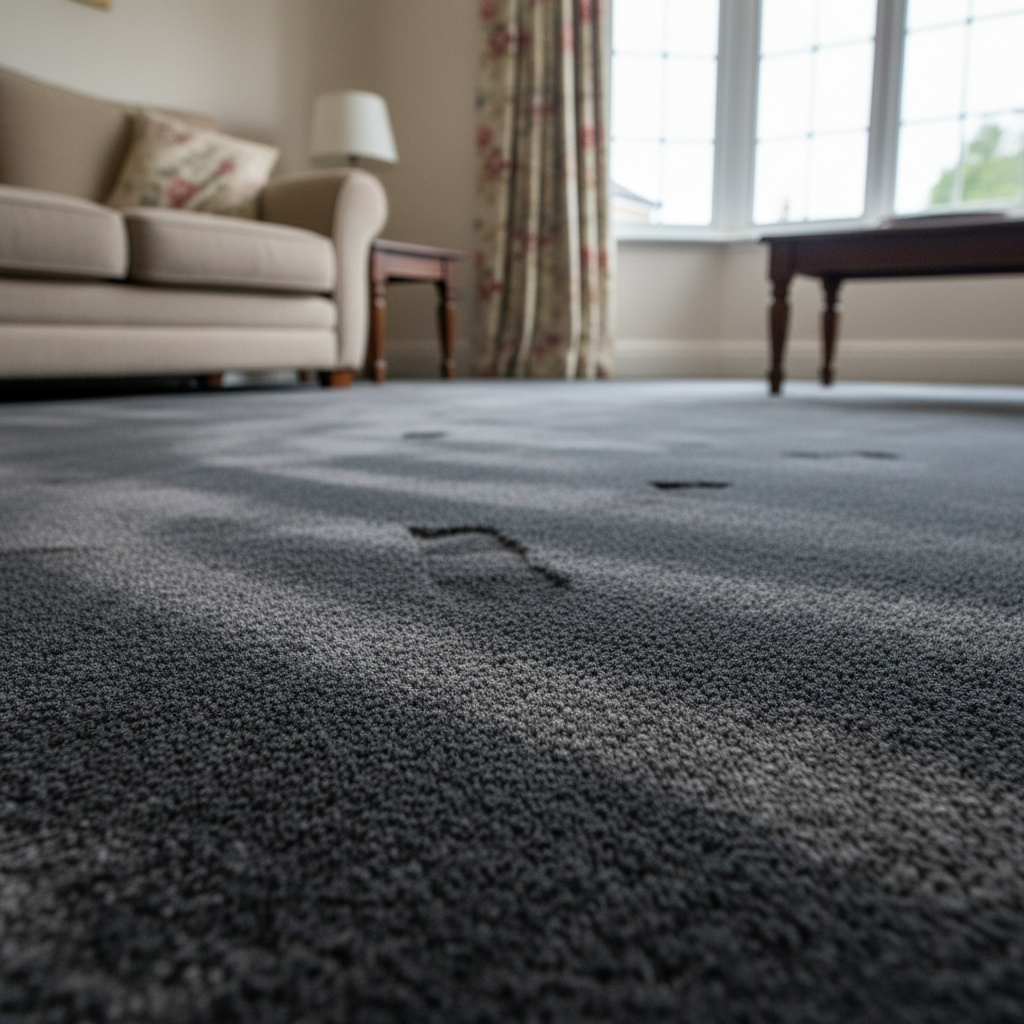
It is a common call-out. A homeowner invests in a beautiful, plush new carpet. A few weeks or months after installation, permanent-looking light and dark patches appear, often in areas of foot traffic. They can look like pools of water or shadows, and no amount of vacuuming seems to remove them. The homeowner is understandably distressed, believing their expensive new floor is faulty. When they complain, they are often told this is normal.
This is where I am often asked to provide an independent assessment of pile reversal, shading and tracking on new carpets. The dispute centres on one key question: is this a manufacturing defect, or is it an inherent characteristic of the product?
What is pile reversal, shading and tracking?
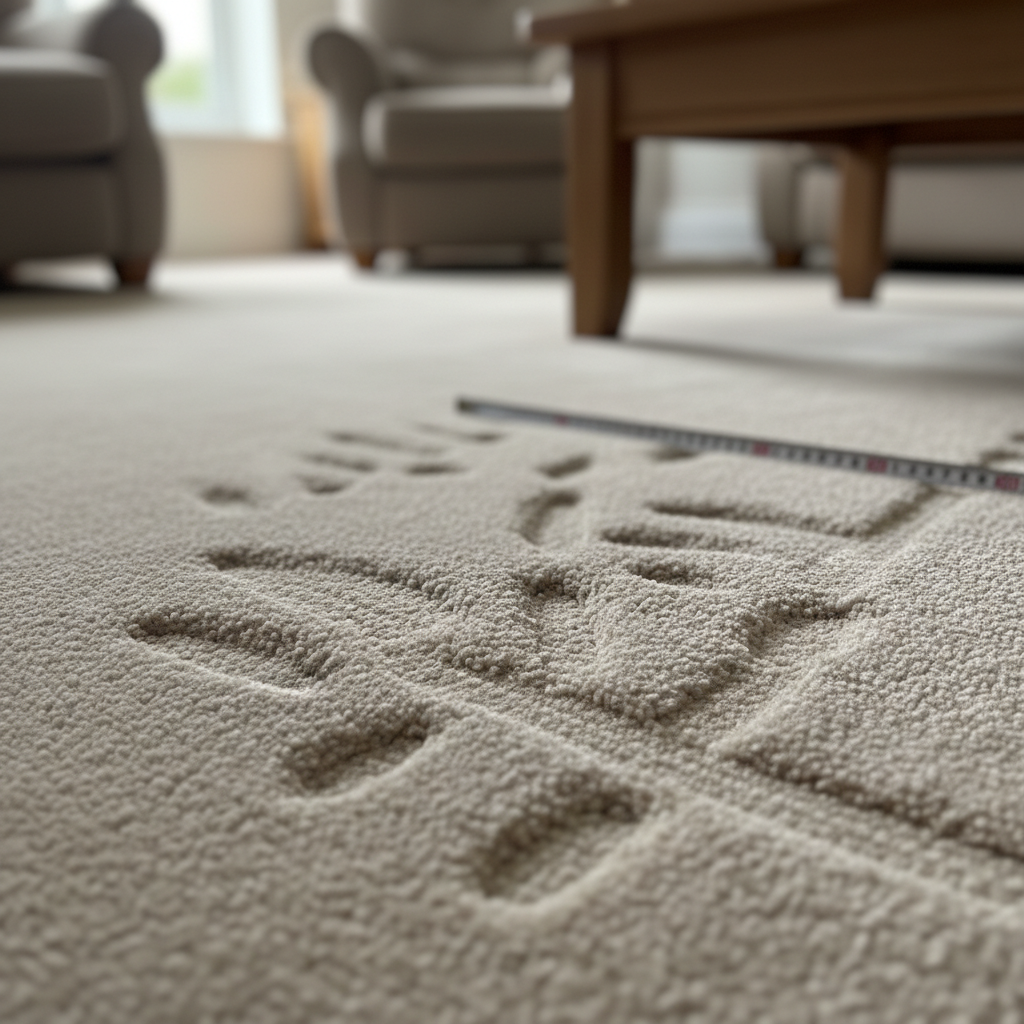
These terms describe a visual effect, not a material defect. It happens when the carpet pile, which has a natural direction or 'lay', becomes disturbed and lies in different directions. Think of stroking a velvet jacket; one way it looks darker, the other way it looks lighter. Carpet pile behaves in a similar fashion.
Light reflects from the side of a tuft of yarn differently than it does from the tip. When areas of pile are pushed in opposing directions, for example by foot traffic or vacuuming, it creates patches that appear lighter or darker than the surrounding carpet. This is known as shading or pile reversal. Tracking is simply the term for this effect when it follows footmarks along a common route through a room.
In my experience, these effects are most noticeable on plain, single-colour, cut-pile carpets, especially those with a deep, luxurious pile like a Saxony or velvet finish. The plusher the carpet, the more likely it is that these characteristics will be apparent. No evidence is usually identified to suggest the carpet's material or colour has changed; it is purely an optical effect caused by the disturbance of the pile fibres.
Is it a manufacturing fault or just a characteristic?
This is the central point of most disputes I attend. A genuine manufacturing fault is something that has gone wrong during the production process. This might include issues such as:
- Bands of colour difference across the roll (known as striping).
- Areas of missing tufts or a failure of the tufts to lock into the backing.
- Delamination, where the secondary backing separates from the primary backing.
These are tangible faults that can be identified upon inspection. Pile reversal, however, is generally recognised within the flooring industry as an inherent characteristic, not a production fault. It does not affect the durability or wear of the carpet. British Standards and industry guides acknowledge that this phenomenon can and does occur.
The issue for the consumer often arises from a lack of information before the sale. A retailer should explain the likely behaviour of a chosen carpet. If a customer specifically asks for a carpet that will not show marks and is sold a deep-pile Saxony without being advised of its tendency to shade, a valid complaint may exist regarding the product not being fit for the stated purpose. My role is to document the situation, but not to determine the outcome of a retail dispute.
How an independent inspection assesses pile reversal, shading and tracking on new carpets
When I am called out to a job like this, my first step is to conduct a thorough visual inspection of the entire installation. I do not just look at the problem area. I examine the carpet in different lights, from different angles, and at different times of day if possible.
My process involves looking for evidence. I will check the pile direction across the whole floor. I will use my hands to brush the pile in various directions to replicate and understand the effect. I look for any genuine manufacturing flaws, such as those listed above. I will also check the quality of the installation, ensuring it complies with recognised standards like BS 5325. A poorly fitted carpet or an uneven subfloor can sometimes contribute to premature wear, but it is not typically a direct cause of pile reversal itself.
Based on the findings, my report will provide a factual conclusion. If the appearance is consistent with shading and pile reversal as a known characteristic of that carpet type, the report will state this. If, however, I identify evidence of a manufacturing fault or an installation issue that could be contributing, this will be documented in detail with photographic evidence. The report provides an unbiased, expert opinion based on the evidence present at the time of inspection.
Why an early inspection can be beneficial
Engaging an inspector early in a dispute can save a considerable amount of time, money, and stress. Homeowners can spend months in a frustrating loop with a retailer or manufacturer, with claims being rejected because the issue is deemed a 'natural characteristic'. An independent report breaks this stalemate.
If the report confirms the issue is, in my professional opinion, an inherent characteristic, it provides the homeowner with a clear and definite answer. While not the desired news, it prevents them from pursuing a complaint that is unlikely to succeed, saving them the potential cost and anxiety of further action.
Conversely, if my inspection uncovers evidence of a genuine fault, the report becomes a powerful tool. It provides the documented, expert evidence required to progress the claim effectively. In many cases, a clear report from a recognised inspector is enough to bring the matter to a swift resolution, without the need for protracted arguments or legal proceedings. It clarifies the technical issues, allowing all parties to understand the facts of the situation and find a way forward.
When to call an independent inspector
If you find yourself in a dispute over a flooring installation and are not getting a satisfactory resolution, an independent report can provide the clarity you need. As an inspector trusted by the Furniture and Home Improvement Ombudsman and other organisations, I provide impartial, evidence-based reports to help resolve such conflicts.
I cover the whole of the United Kingdom. My services are structured into clear options, from an initial desktop assessment to a full on-site inspection. You can learn more about these on my packages page or get in touch directly to discuss your specific situation via my contact page.
Have a flooring problem of your own?
We are independent UK flooring inspectors. Tell us about your case and we will recommend the right inspection package, with a fixed fee in writing before any work begins.