
When to Ask for an Independent Flooring Inspection
Unsure when to ask for an independent flooring inspection? This guide explains the signs a complaint is becoming a dispute and how an early report can save money.
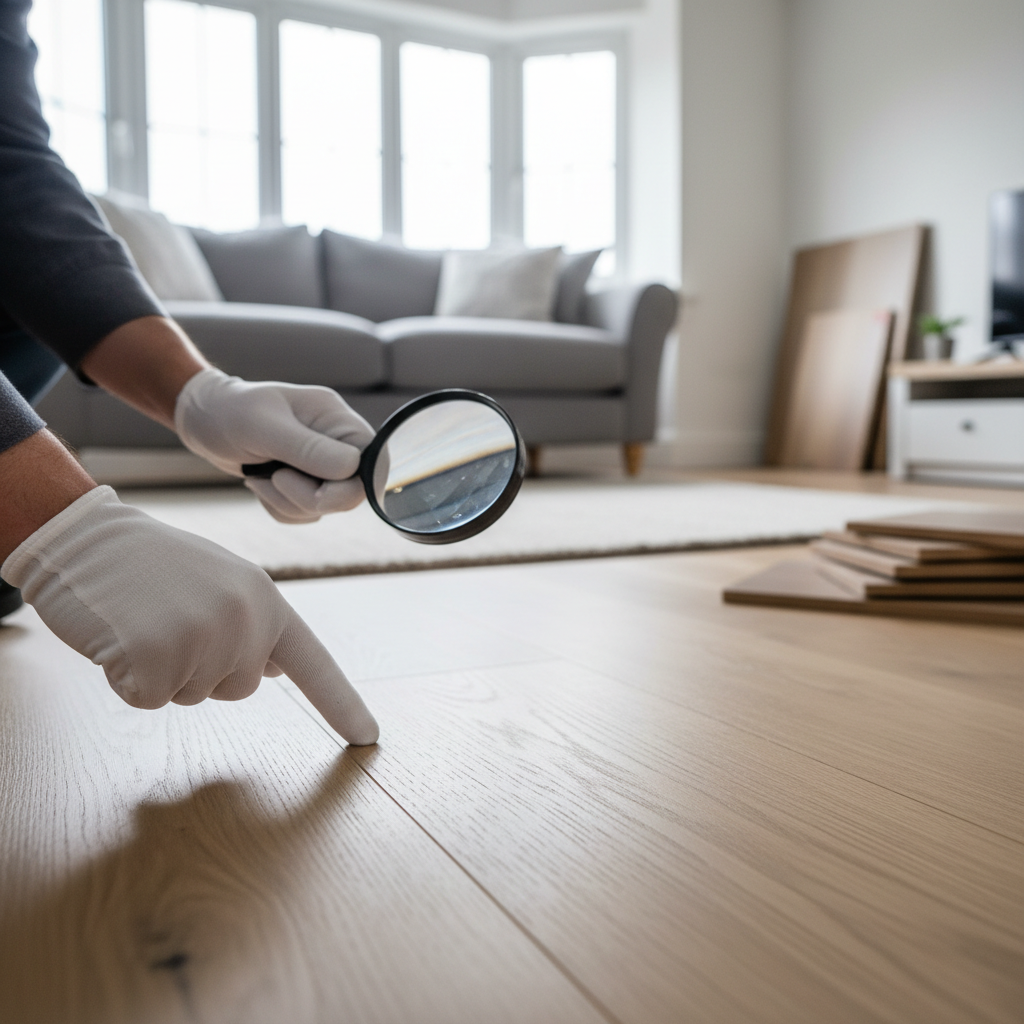
It is a scenario I encounter regularly. A new floor has been installed, but within a few months, something is clearly not right. Perhaps a luxury vinyl tile has started to lift at the edges, or an engineered wood plank has begun to cup. The homeowner raises the issue with the retailer, but the conversation quickly reaches an impasse. This is often the point where people start to wonder when to ask for an independent flooring inspection. Getting the timing right can be the difference between a swift resolution and a protracted, expensive dispute.
Initially, most complaints are handled between the customer and the supplier or installer. This is as it should be. However, if you find yourself in a repeating loop of conversations with no clear path forward, it may be time for a different approach. The moment a retailer begins to suggest the problem is due to 'your home being too damp', 'improper cleaning', or 'settlement', without providing any evidence, the complaint is turning into a dispute. An independent report introduces factual evidence into the discussion, moving it beyond opinion.
So, when to ask for an independent flooring inspection?
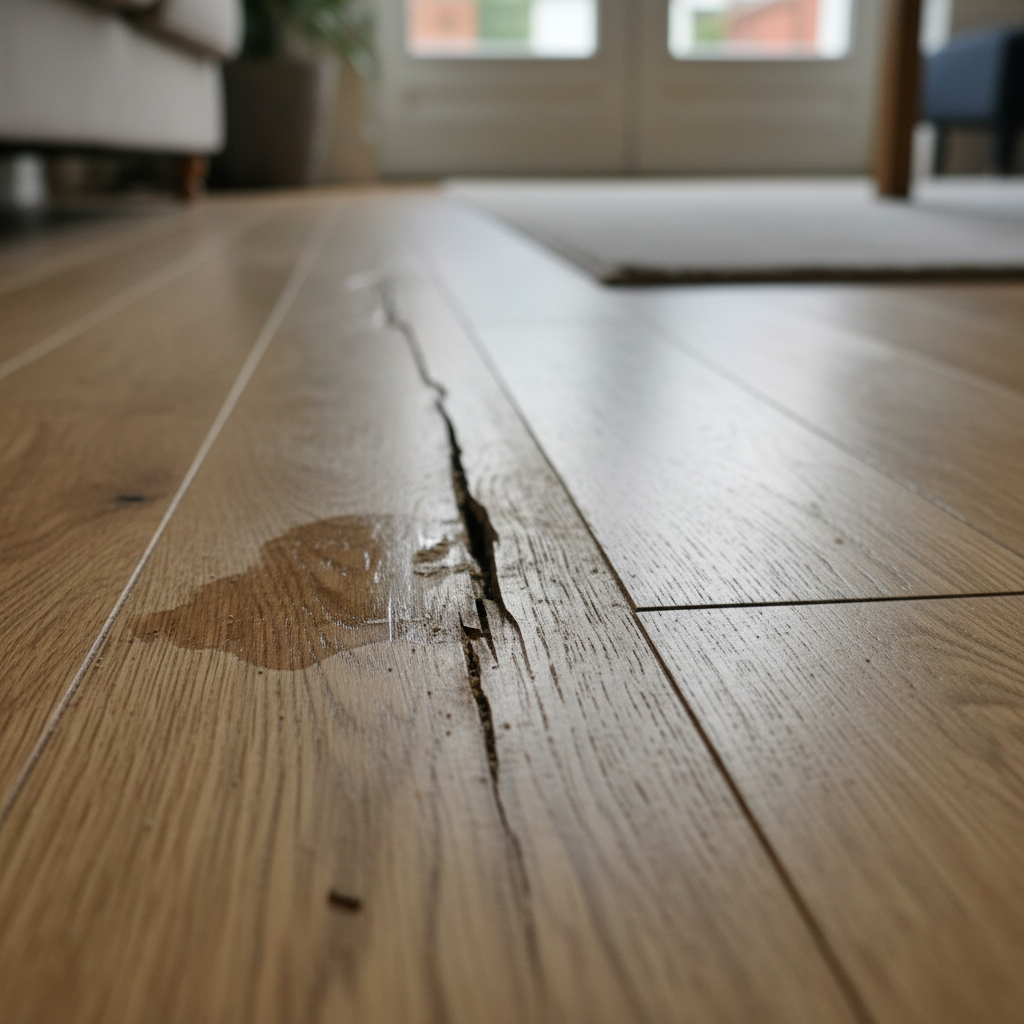
Based on my experience, the ideal time is as soon as you feel the discussion is no longer productive. If you have provided clear photographs and a description of the issue, and the response is a blanket denial or a counter-accusation, an impartial assessment is needed. Waiting for months while the problem worsens can sometimes complicate matters. An early report establishes a baseline of the conditions at a specific point in time.
When I am called out to a job like this, my first task is to establish the facts. This involves a thorough, non-destructive examination of the floor and its environment. I use calibrated equipment, such as digital moisture metres for the sub-floor and the flooring material itself, and a thermo-hygrometer to measure ambient temperature and relative humidity. These readings are compared against the manufacturer's installation guidelines and relevant British Standards, such as BS 8203 for resilient floor coverings or BS 8201 for timber. This evidence-based approach removes guesswork from the equation.
How an early inspection can prevent costly mistakes
One of the most compelling reasons for an early inspection is cost. I recall a case where a homeowner had a wood floor that was showing signs of cupping. The retailer insisted it was a product fault and, as a gesture of goodwill, supplied a replacement floor. The homeowner paid a second time for installation. Six months later, the new floor was failing in exactly the same way.
An inspection at the first sign of failure would almost certainly have identified the true cause. A simple moisture test would have revealed that the concrete sub-floor had an unacceptably high moisture content and required a damp-proof membrane before any flooring was laid. The homeowner ended up paying for three installations when one would have sufficed. An independent report identifies the root cause, ensuring that any remedial work actually solves the problem, preventing the expense and disruption of a repeat failure. Knowing the cause provides a clear direction for who is responsible for the cost of rectification.
What a report provides
My role is not to take sides, but to provide an impartial, expert opinion based on the evidence identified on the day of the inspection. The subsequent report is a formal document that details the following:
- The nature of the complaint.
- The tests conducted on site.
- The evidence gathered, including photographs and readings.
- An analysis of the findings in the context of industry standards and practices.
- In my professional opinion, the most probable cause of the flooring failure.
This document can then be presented to the retailer or installer. In many cases, a clear, evidence-based report from a recognised expert is enough to break the deadlock and prompt the other party to propose a reasonable solution. It provides a solid foundation for further negotiation and, if necessary, can be used in alternative dispute resolution or small claims court proceedings. It demonstrates that you have taken a measured and reasonable step to resolve the issue.
Deciding when to ask for an independent flooring inspection is a key step. Acting too late can mean wasting money on incorrect remedies, whereas acting at the right time provides clarity and a path towards resolution. An independent report is not an aggressive step; it is a sensible one.
When to call an independent inspector
If your discussions with a supplier have stalled and you need an evidence-based assessment of your flooring issue, an independent report is your next logical step. It provides the impartial analysis needed to move your complaint forward towards a resolution, based on facts rather than opinions.
I provide services across the United Kingdom and am a trusted inspector for the Furniture and Home Improvement Ombudsman. Reports are available in Silver, Gold, and Diamond packages to suit different requirements and budgets. For a no-obligation discussion about your situation, please review my packages or get in contact.
Have a flooring problem of your own?
We are independent UK flooring inspectors. Tell us about your case and we will recommend the right inspection package, with a fixed fee in writing before any work begins.