
When to Ask for an Independent Flooring Inspection
Find out when to ask for an independent flooring inspection. This guide explains the signs a complaint is now a dispute, and what you can check before calling an expert.
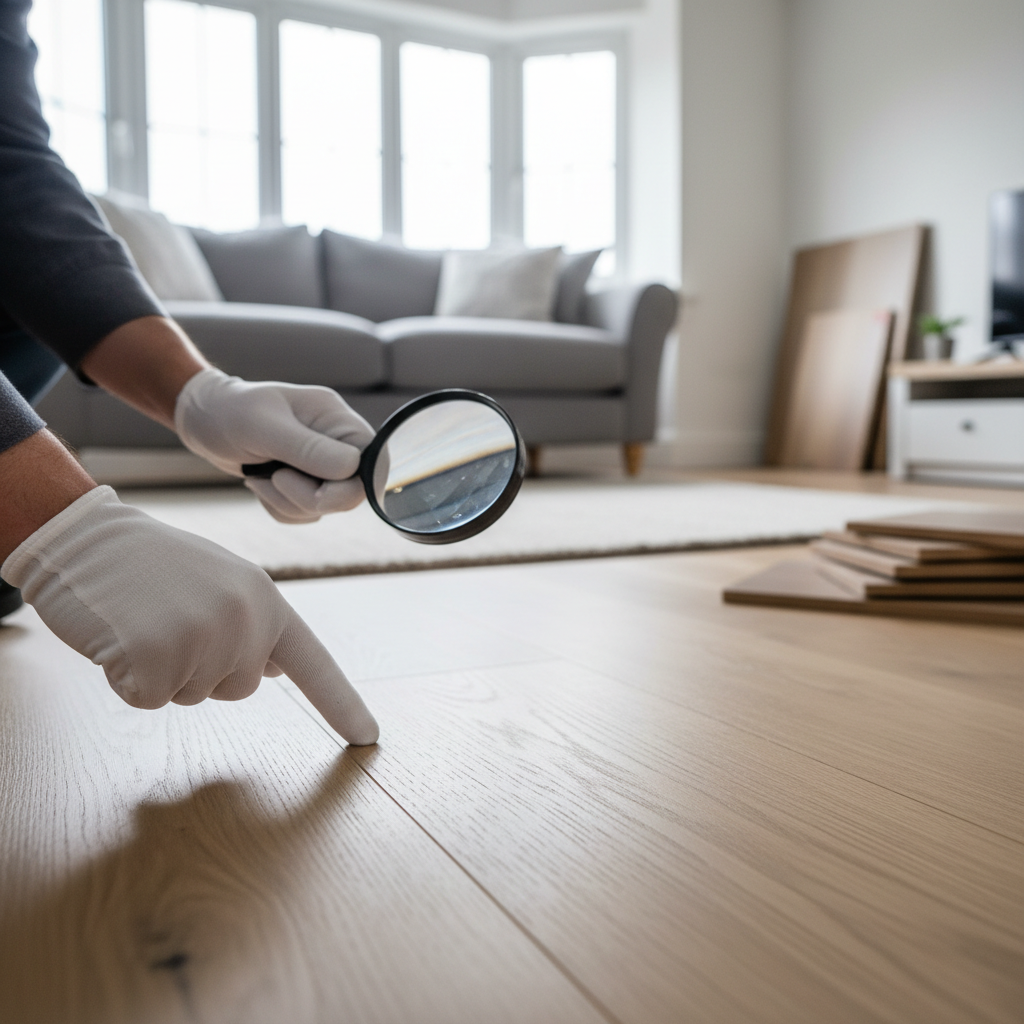
A new floor should be a source of satisfaction. Yet, I am often called to properties where the reality is quite different. The story is frequently the same: a homeowner notices something is not right, perhaps a laminate board is lifting at the edge, a luxury vinyl tile has a gap appearing, or a wooden floor has started to cup. They contact the company that supplied or fitted the floor, and a discussion begins. For many, this is resolved quickly. But for some, the conversation stalls, and this is the point where understanding when to ask for an independent flooring inspection becomes a key consideration.
Before the Dispute: What You Can Check Yourself
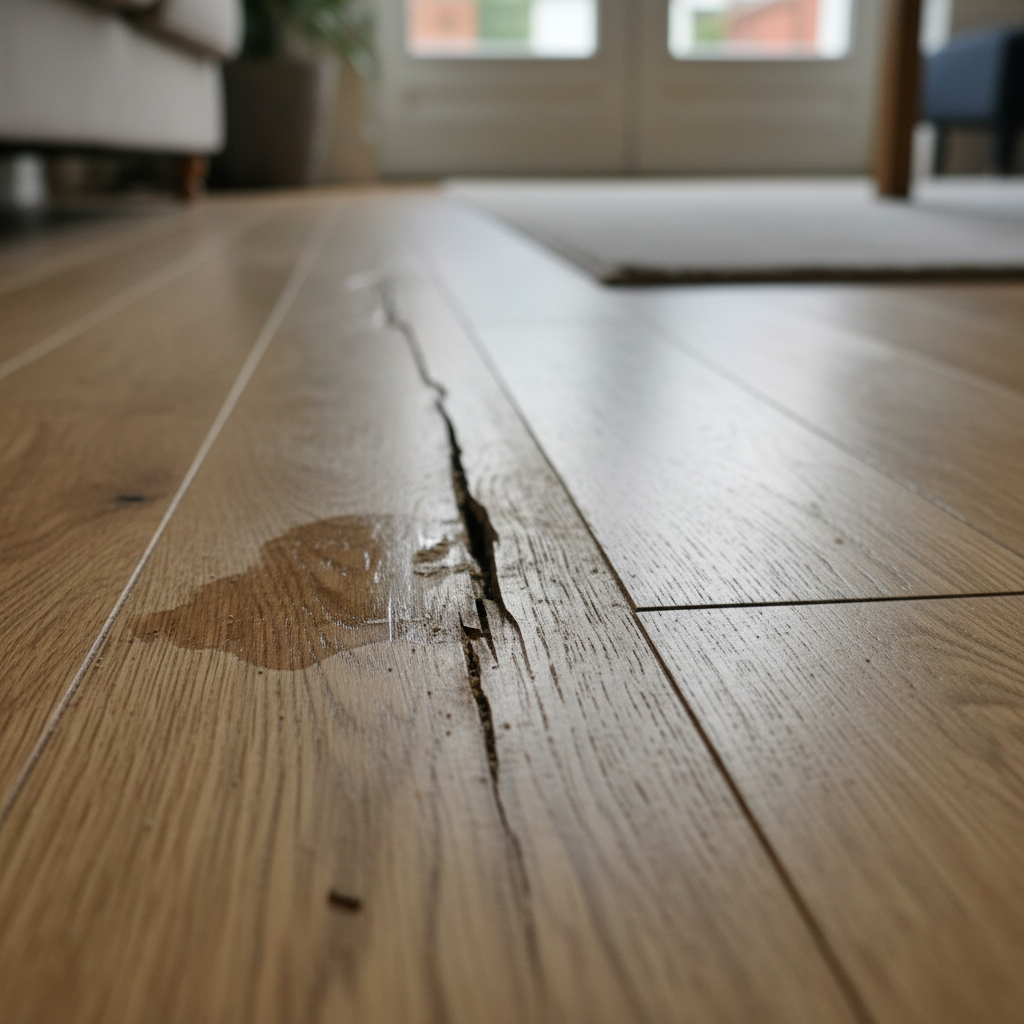
Before a complaint becomes a formal dispute, there are several sensible steps a homeowner can take. The first is documentation. Take clear, well lit photographs of the issue from several angles and distances. Make a note of when you first noticed the problem and any changes you have observed since. This creates a timeline, which is always useful.
There are also some simple, non-destructive observations you can make. Look at the perimeter of the room. Is there a consistent gap between the flooring and the skirting boards or walls? This is the expansion gap, and its presence and size are important for most floating floors like laminate and engineered wood. Check for obvious sources of moisture or extreme temperature changes. Is the floor laid near a patio door with a faulty seal? Is it in a conservatory that experiences significant temperature swings? Is the room's environment unusually damp or dry?
It is vital, however, that you do not attempt your own repairs. Lifting boards, applying adhesives or trying to force something back into place can obscure the original cause of the failure. It can also, in some cases, affect your position regarding the warranty or your rights under consumer law. Your role is to observe and document, not to intervene.
The Difference Between a Complaint and a Dispute
A complaint is the process of reporting a fault. A dispute arises when you and the retailer or installer cannot agree on the cause of that fault, or the appropriate remedy. In my experience on site, this is usually when different parties start to point fingers. The retailer might suggest a manufacturing defect. The manufacturer, in turn, may claim the subfloor was not prepared correctly. The installer might then state that conditions in the home are to blame.
When you find yourself in this circular conversation, you are in a dispute. The issue is no longer about simply fixing the problem, but about establishing liability. Without impartial, evidence based information, it is very difficult to break this deadlock. Each party holds a position they believe to be correct, and you, the homeowner, are caught in the middle. This is precisely the point when an external expert can provide clarity.
So, when to ask for an independent flooring inspection?
Based on my professional opinion, you should consider an inspection when you encounter a clear impasse. If the supplier's final response is to reject your claim based on an opinion you believe is incorrect, a report can provide the evidence needed to challenge it. An independent inspection moves the conversation away from opinion and towards facts established through standardised tests.
Consider commissioning a report if:
- Your claim has been rejected and you are at a deadlock.
- The proposed solution seems inadequate, for example, offering to glue down a board that is clearly cupping due to moisture.
- Liability is being passed between the retailer, installer, and manufacturer with no resolution.
- You are told the issue is 'within tolerance' or 'an inherent characteristic' of the product, but the appearance or performance of the floor is significantly affected.
When I am called out to a job like this, I conduct a methodical examination of the floor. This involves using calibrated equipment, such as digital moisture metres to test the flooring and the subfloor. I assess the ambient conditions, the quality of the installation, and the condition of the product itself. The findings are then analysed in the context of relevant British Standards, such as BS 8201 for timber or BS 5325 for textiles, and the manufacturer’s own fitting instructions. The resulting report provides a basis for a sensible resolution.
What the Inspection Process Involves
An inspection is not just a quick look. It is a systematic investigation. At the time of inspection, I begin by discussing the full history of the project with the homeowner. I then conduct a visual examination of the entire floor, not just the area reported as faulty. I use tools like a straightedge to check for flatness and levels.
Non-destructive testing is the primary method. This includes taking moisture readings using both pinless and pin-type metres to build a picture of conditions within the floor and the structural subfloor beneath it. I measure the temperature and relative humidity in the room to see if environmental factors could be contributing.
In some cases, and only with express permission, a minimally invasive inspection may be required. This might involve carefully lifting a floorboard in a cupboard or other discrete location to directly observe the subfloor, underlay, and the method of fitting. All findings are photographed and documented thoroughly before being compiled into a comprehensive CPR-compliant report which analyses the evidence and provides a conclusion on the probable cause of the failure.
When to call an independent inspector
If the situations described in this article reflect your own, and you have reached an impasse with your supplier, a professional, independent report can provide the evidence and clarity required to move forward. It can form the basis of a renewed negotiation or be used as evidence should the matter be referred to an alternative dispute resolution service or the small claims court.
As a fully independent inspector, I provide impartial reports across the whole of the UK. My services are trusted by homeowners, retailers, and recognised by resolution bodies like the Furniture and Home Improvement Ombudsman. I offer a range of inspection levels, including our Silver, Gold, and Diamond packages, to suit different requirements and budgets. You can find out more on my packages page or contact me to discuss your case in confidence.
Have a flooring problem of your own?
We are independent UK flooring inspectors. Tell us about your case and we will recommend the right inspection package, with a fixed fee in writing before any work begins.