
An Inspector's View on Why LVT Lifts, Telegraphs and Gaps
A senior flooring inspector explains why LVT lifts, telegraphs and gaps. Discover the common causes related to sub-floors, adhesives and installation.
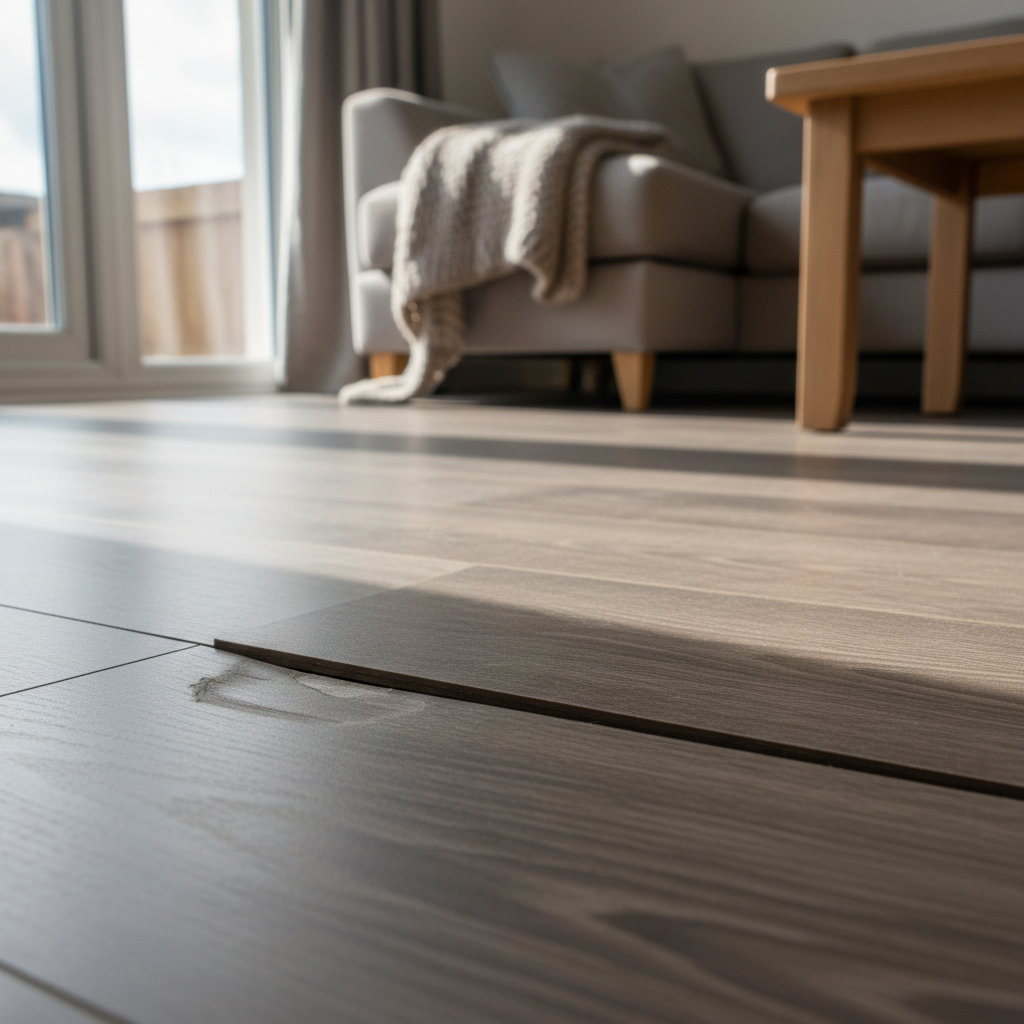
A call about a luxury vinyl tile (LVT) floor is one of the most frequent in my line of work. The complaint is often similar: a floor, sometimes only months old, is already showing problems. Homeowners report planks lifting at the edges, gaps appearing between tiles, or faint lines and patterns showing through the surface. These issues are a primary reason people want to understand why LVT lifts, telegraphs and gaps. In my experience, the root cause is very rarely a fault with the product itself. The investigation almost always leads back to the conditions on site before and during the installation.
The critical role of the sub-floor
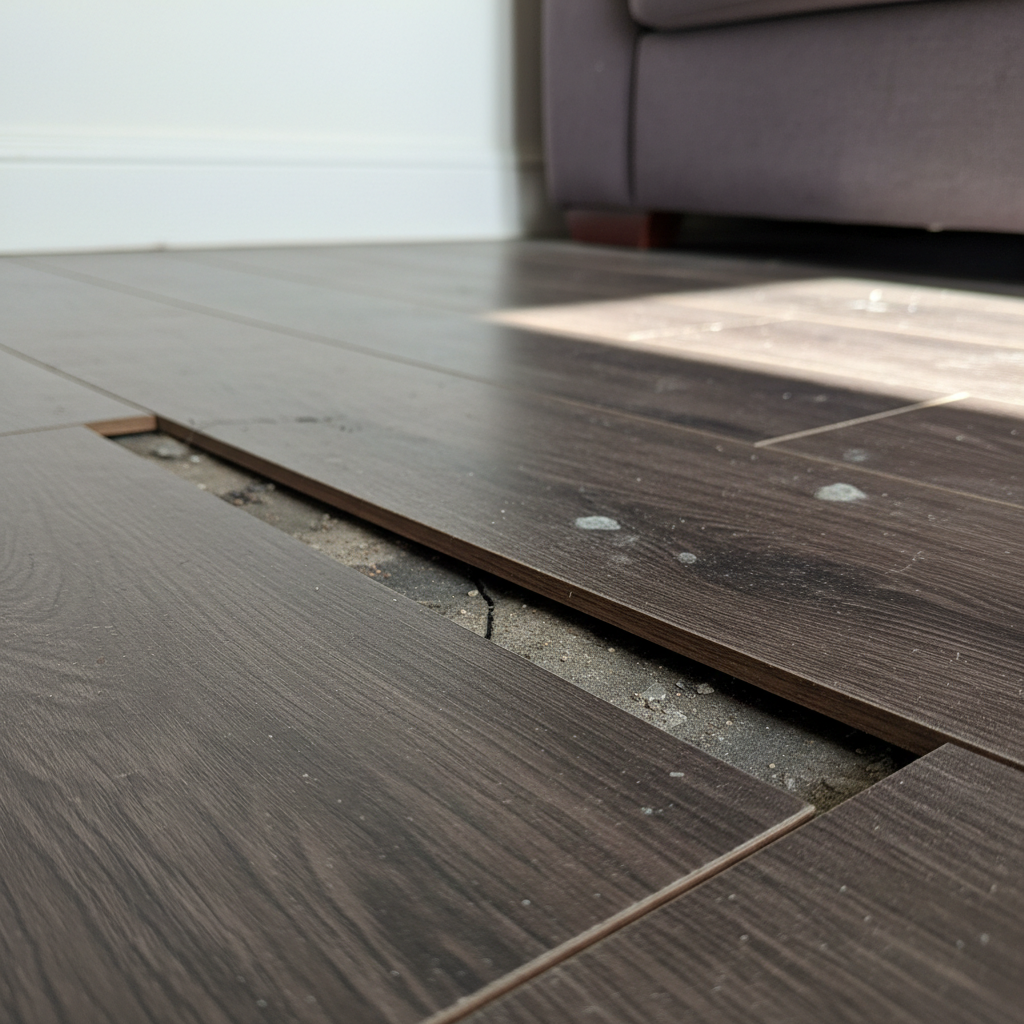
When I am called to a site, my first area of investigation is the sub-floor. LVT is a resilient but thin and flexible product. It will, over time, conform to the shape of whatever it is laid upon. This is why British Standard BS 8203, the code of practice for installing resilient floor coverings, places such emphasis on sub-floor preparation. The surface must be smooth, flat, and dry.
Any imperfections in the sub-floor, such as old grout lines, screw heads, or ridges in a levelling compound, can eventually become visible through the LVT. This is known as 'telegraphing'. It is the responsibility of the installer to ensure the sub-floor is prepared to the required standard before any tiles are laid. This often involves applying a suitable smoothing compound to achieve a surface that is free from defects.
Moisture is another significant factor. A concrete sub-floor, even one that appears dry, can hold a large amount of residual moisture. If a floor is laid before the concrete is sufficiently dry, this moisture vapour can attack the adhesive, causing it to break down. On site, I use a digital hygrometer to measure the relative humidity (RH) of a concrete sub-floor. British Standards provide clear guidance on acceptable RH levels for laying resilient flooring, and proceeding without these checks is a considerable risk.
Why LVT lifts, telegraphs and gaps: On-site causes
Based on my findings from hundreds of inspections, there are common themes explaining why LVT lifts, telegraphs and gaps. The evidence on site usually points to one of a few key areas.
-
Lifting: This is typically a failure of the adhesive bond. This can be caused by moisture from the sub-floor, as mentioned. It can also be due to the wrong type of adhesive being used, or the adhesive being applied incorrectly. For example, using the wrong sized trowel can result in too little or too much adhesive, leading to a weak bond. Another cause is allowing the adhesive to dry for too long before the tiles are placed, or not long enough.
-
Telegraphing: As discussed, this is the visual appearance of sub-floor imperfections on the surface of the LVT. This is almost always an issue of sub-floor preparation. I have seen cases where the lines from plywood sheets or the texture of an old ceramic floor have telegraphed through a new LVT installation because the sub-floor was not correctly prepared with a smoothing compound or suitable overlay.
-
Gapping: Vinyl products expand and contract with temperature changes. Gapping between tiles or planks is often a result of the flooring not being correctly acclimatised to the service conditions of the room before installation. Manufacturers specify that the flooring should be left in the room, in its packaging, for a set period (often 48 hours) to stabilise. If this step is missed, the flooring may shrink after it is fitted, causing gaps to appear. Extreme temperature fluctuations, such as direct sunlight through patio doors or underfloor heating systems operating outside of the manufacturer's recommended temperature limits, can also cause gapping or peaking.
Underfloor heating and adhesive selection
Underfloor heating (UFH) requires particular care. The installer must ensure the heating system has been fully commissioned and turned off for at least 48 hours before installation begins. After the floor is fitted, the heating should be turned back on and the temperature increased gradually over several days.
Crucially, a high-temperature adhesive must be used in areas with UFH. A standard adhesive may soften when the heating is on, compromising the bond and leading to lifting or movement in the tiles. When I am inspecting a failure on a heated floor, confirming the type of adhesive used is a key part of the investigation. Often, this information cannot be confirmed as no packaging or specification is available, but the nature of the failure can provide clues.
Ultimately, a successful LVT installation relies on following the manufacturer's instructions and the relevant British Standards. These are not optional guidelines; they are the blueprint for a durable and problem-free floor. When steps are skipped, whether it is sub-floor moisture testing, acclimatisation, or using the correct adhesive, the risk of failure increases substantially.
When to call an independent inspector
If you have a dispute with a retailer or installer regarding a faulty LVT floor, an independent inspection report can provide the factual, evidence-based assessment needed to help resolve the matter. My role is not to take sides, but to inspect the floor, document my findings, and provide a professional opinion on the likely cause of the failure based on industry standards and my experience.
As an inspector trusted by the Furniture and Home Improvement Ombudsman, I provide impartial reports across the United Kingdom. My services are available in several tiers, including Silver, Gold, and Diamond inspection packages, to suit the complexity of your case. For advice or to book an inspection, please use the contact page.
Have a flooring problem of your own?
We are independent UK flooring inspectors. Tell us about your case and we will recommend the right inspection package, with a fixed fee in writing before any work begins.